

Dołącz do listy Furniture Savers!
Otrzymuj aktualizacje dotyczące cyrkularnych biur i jako pierwszy dowiedz się o nowych produktach!

A second life instead of furniture disposal during an office relocation? Rebench, Sodexo, and Nokia show how to avoid 27.5 tonnes of waste and save PLN 200,000 with smooth employee resell. Read the Circular Removal case study!
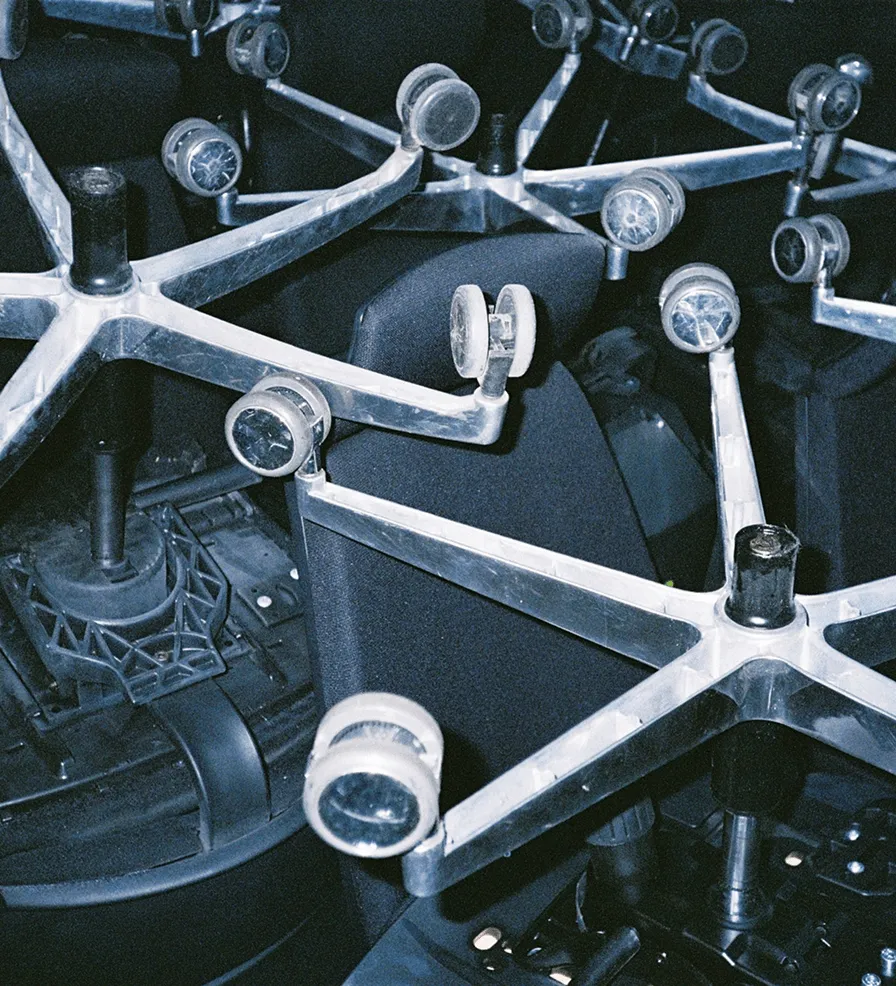
Can an office relocation be carried out in a sustainable and cost-effective way at the same time? Absolutely! The office relocation project for Nokia in Kraków is a perfect example. Thanks to an innovative process led by Rebench and close cooperation with Sodexo, it was possible to avoid disposing of 27.5 tonnes of furniture, reducing costs by approximately PLN 200,000. Rebench’s Circular Removal process demonstrates how digital tools and a circular approach can deliver tangible environmental, economic, and social benefits for Facility teams.
Nokia was refurbishing its office in Kraków. Hundreds of items of old equipment remained on the existing premises, and the company needed to remove them from the first part of the spacewithin two months. The potential disposal costs exceeded PLN 200,000. While seeking more economical and environmentally friendly alternatives, the project manager at Sodexo approached Rebench.

The process began with a detailed inventory of the existing equipment. Using the Rebench App, we digitized inventory data for over 1,200 pieces of furniture located on two office floors within just two days. Each item was assigned a QR code, enabling easy identification, condition assessment, and pricing.
Thanks to this identification process, 130 items of furniture in very good condition were relocated to other Nokia offices. This was the first tactic to reduce environmental impact – reuse!
{{hint-1}}
As the main alternative to disposal, we proposed reselling unnecessary furniture to the company’s closest community – its employees. Think of it as Too Good To Go for interior furnishings.
We conducted a fully digital furniture resale campaign that allowed employees to reserve items of interest using QR codes. Administrators had real-time access to data, which significantly streamlined the entire process:
Employee interest exceeded all expectations, and thanks to a single technology platform, wesaved Sodexo a significant amount of administrative work.
{{hint-2}}
The initiative was met with huge interest among Nokia employees – 72% of the equipment found new owners within just a few hours of the reservation launch. This shows that pro-environmental actions can also build team engagement and positively impact a company’s image.
Thanks to Rebench’s actions, approximately three-quarters of the inventoried items were saved, resulting in:
We reduced waste disposal costs estimated at PLN 200,000. At the same time, the company gained value from resold furniture and saved money by relocating items to other offices. The remaining items – those in the poorest condition – were directed to selective, certified recycling.

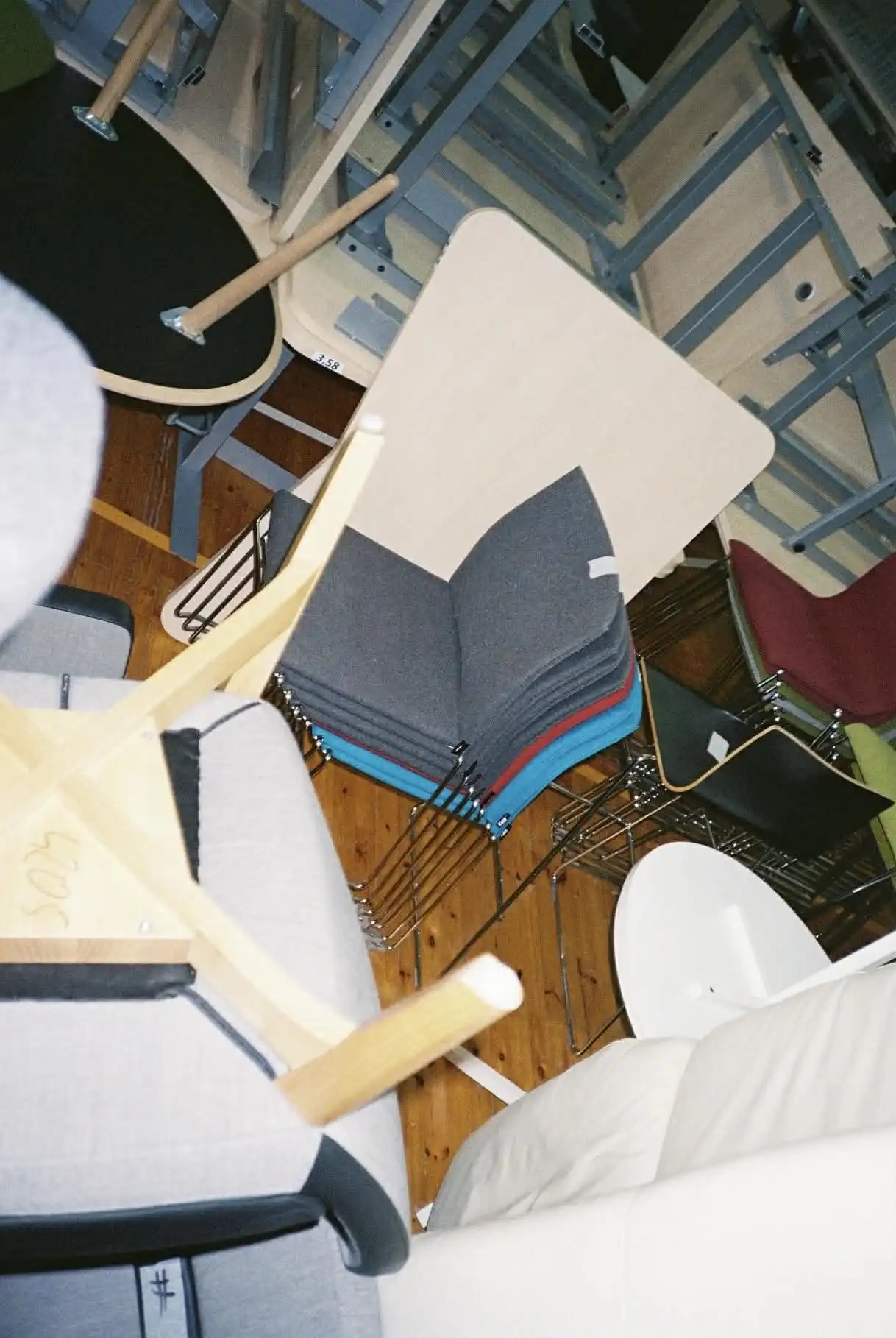
The Circular Office Relocation project at Nokia’s offices in Kraków shows that technology combined with the principles of the circular economy can deliver measurable financial, environmental, and social results.
Thanks to cooperation with Rebench, Nokia minimized waste, reduced costs, and significantly lowered its environmental impact – while Sodexo carried out the process quickly and efficiently, with access to data ready for reporting.
This is another step towards a more sustainable future, where companies focus on responsible management of their office and real estate resources.
Thanks to the Rebench digital platform, companies can manage the lifecycle of their office assets – furniture, AV/IT equipment, and other resources – from regular inventory and reuse programmes across locations, through servicing, to fast redistribution options: resale to B2B partners, employee sales, refurbishment, or donation.
The Circular Office Relocation process at Nokia’s offices is a model example of how technology can support the implementation of circular processes.
