

Dołącz do listy Furniture Savers!
Otrzymuj aktualizacje dotyczące cyrkularnych biur i jako pierwszy dowiedz się o nowych produktach!

During its office relocation in Riga, SEB Bank gave a second home to over 2,500 items of equipment through a digital employee resale. The result: 2,041 items with new owners, 35 tonnes of waste avoided, 231 tonnes of CO₂e saved.
An office relocation is a moment when an organisation has to make rapid decisions about hundreds or thousands of physical assets. In practice, this often boils down to a single solution: disposal. It's the simplest operational path, but one that generates costs, administrative burden and a loss of asset value. When moving to its new headquarters in Riga, SEB Bank Latvija chose a different approach – redistributing furniture and equipment to its employees.
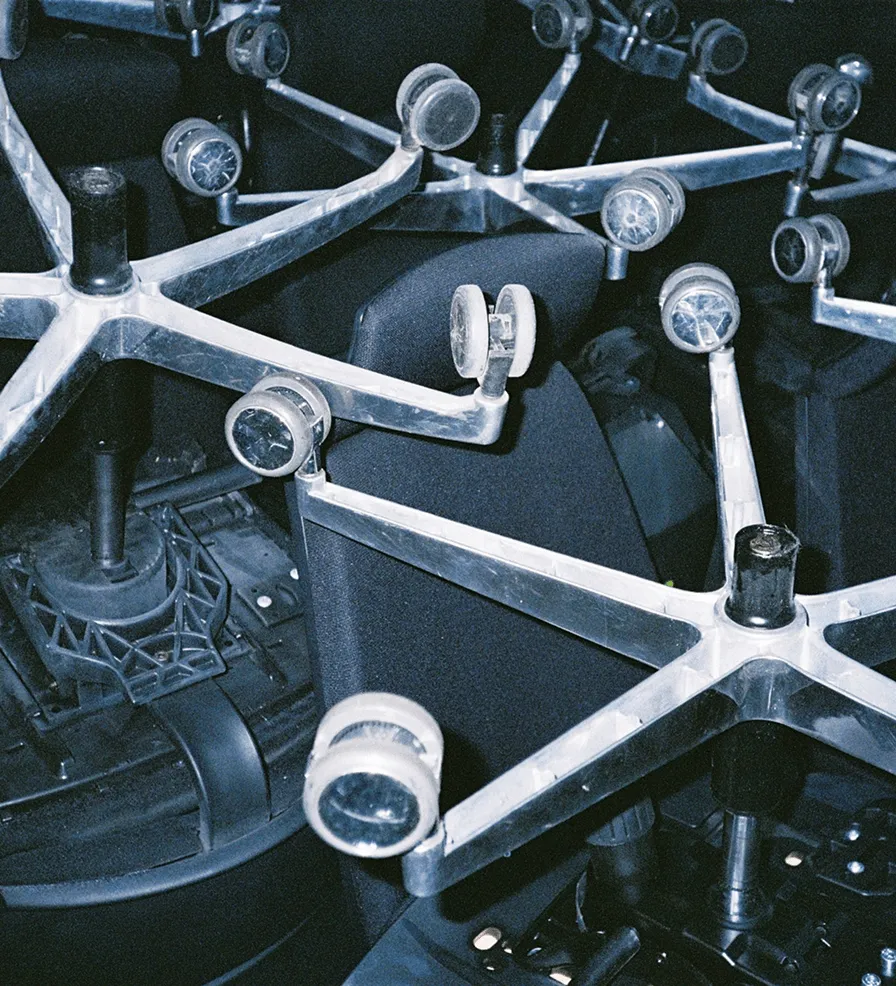
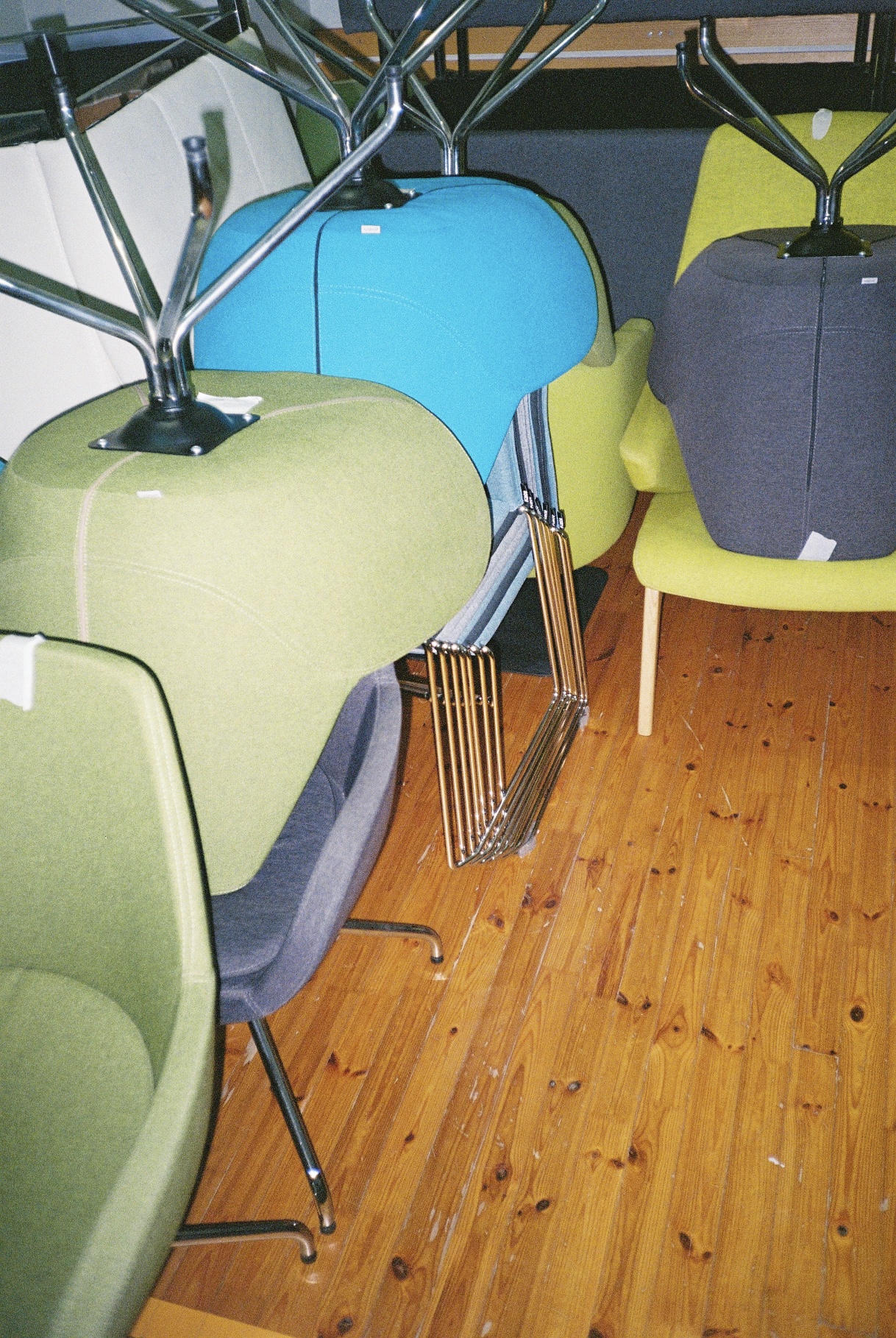
The relocation meant finding a destination for over 2,500 items of equipment, including office furniture and IT hardware spread across seven floors of the previous building. Each item represented a real footprint and a real disposal cost.
The key question was: how do you carry out a relocation quickly, securely and responsibly, without losing the value of your assets in the process?
The client decided to run the redistribution digitally – essentially, an online garage sale. Instead of managing Excel sheets, settlements and email threads manually, the entire process was handled by a single system delivered by Rebench.
The starting point was a thorough digital inventory, carried out with Rebench App. A consistent data standard – photos, descriptions, specs and dimensions – made it easy to identify the volume of assets the client wanted to put on sale.
Next, Rebench launched a dedicated, branded employee resale portal – a closed store accessible only to employees with the client's email domain. It met all the cybersecurity and compliance standards required by the bank.
Employees got access to a clear catalogue of available items, complete with condition reports and prices. An intuitive interface, smooth UX, online payments and information about the carbon footprint saved meant the campaign exceeded the client's most ambitious expectations.
{{hint-1}}
Simplified settlements handled through Rebench meant the administrative and finance teams not only had less work to do, but also gained access to full data on asset flows and sales in one place.
All of this turned a potential logistical headache into an orderly process for recovering asset value.
A critical element of the project was communicating the purpose behind it. Employees didn't see the resale purely as a chance to grab a bargain. They were aware that by taking office equipment home, they were genuinely extending its lifecycle and reducing the need to manufacture new items – corporate zero waste in practice.
This mindset translated into fast purchase decisions and a very high conversion rate across the whole campaign. Most assets found new owners within hours of the platform going live.
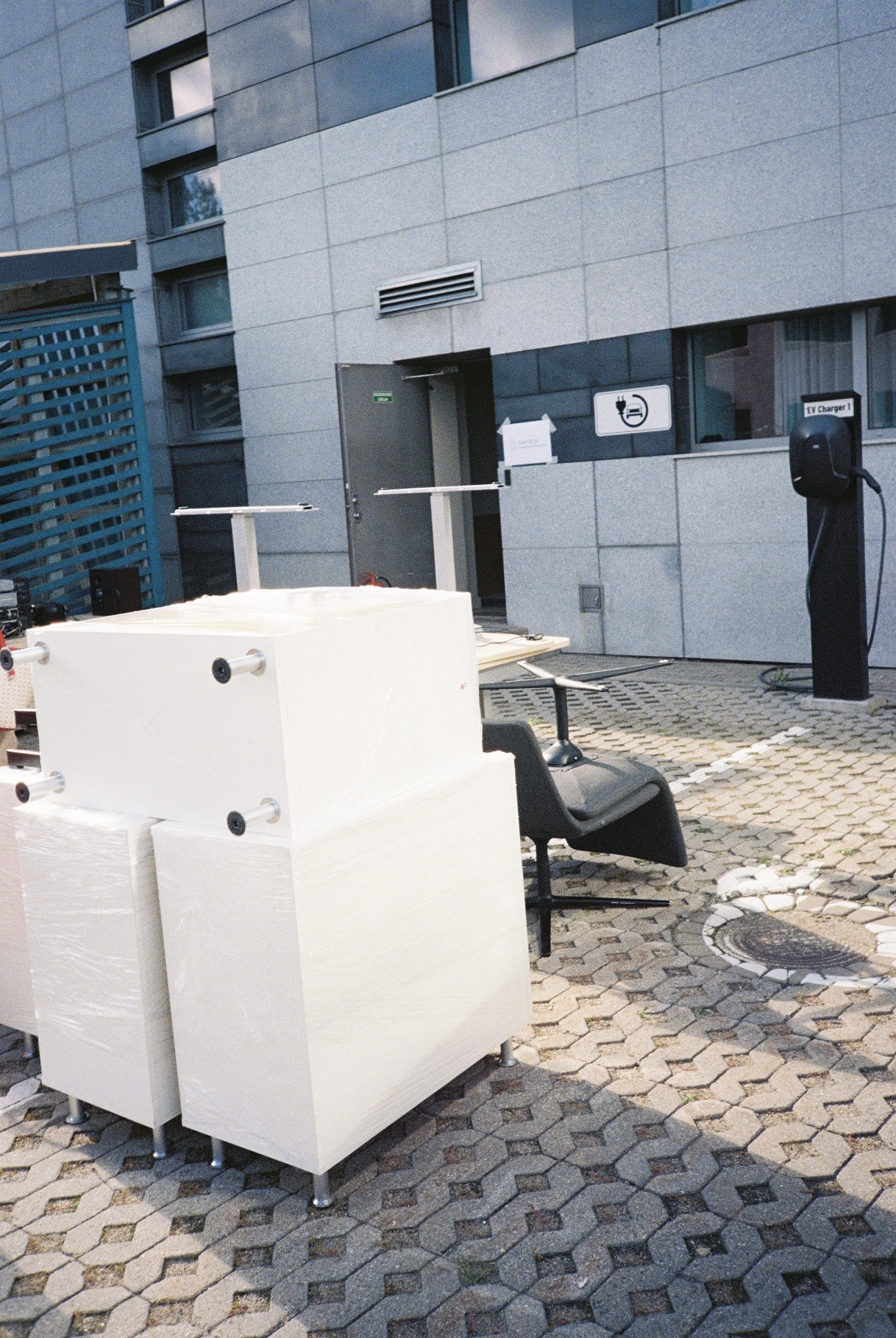
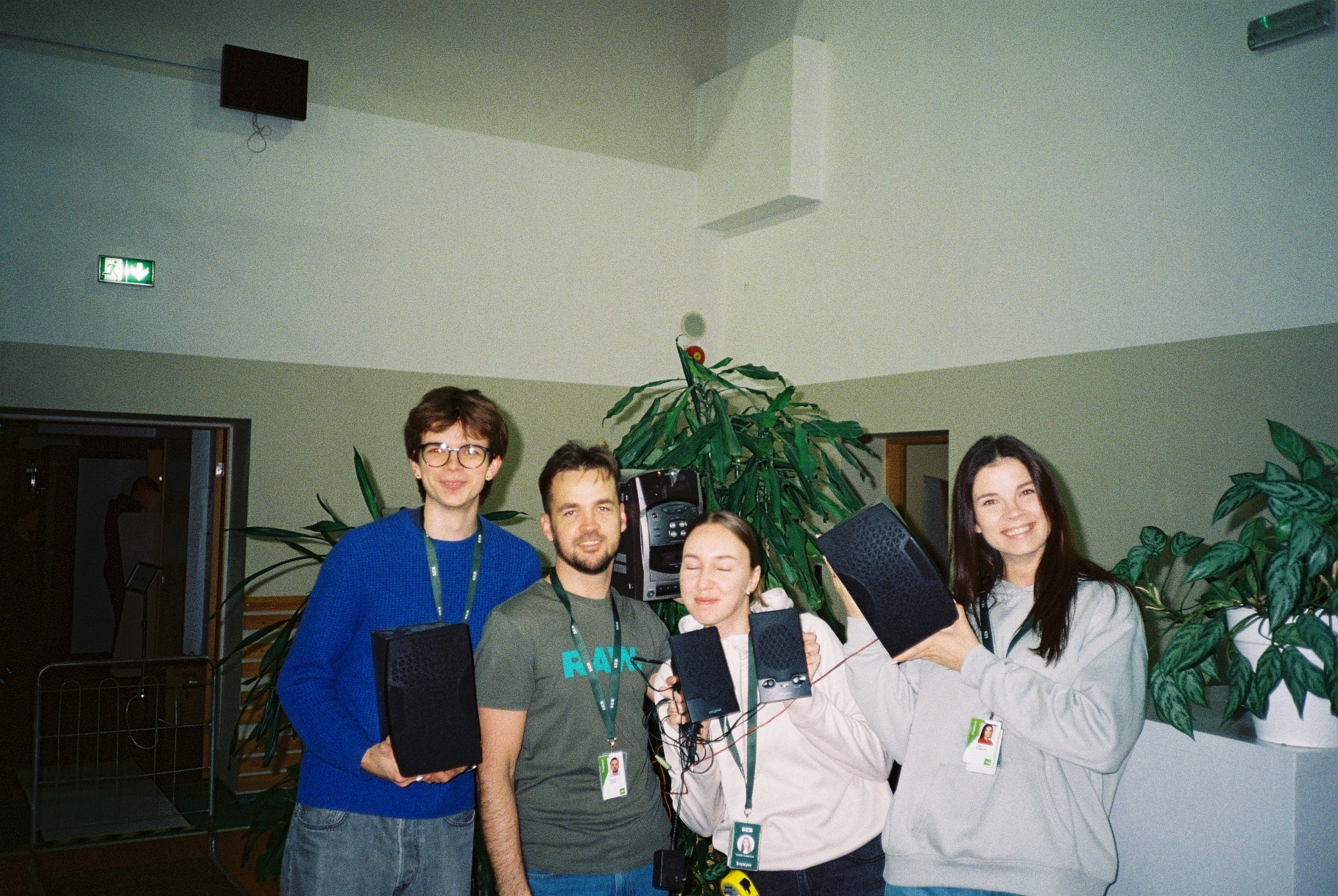
Clear pickup instructions made it possible to organise collection days smoothly despite the scale – every item was collected over a single weekend.
Thanks to the digital redistribution process:
From the organisation's perspective, this translated into:
The SEB Bank Latvia project shows that sustainability doesn't have to be a separate initiative or an additional obligation. It can be a natural element of a well-designed operational process.
Instead of treating office equipment as a problem to remove, the organisation treated it as an asset to be consciously managed. As a result, the relocation became not just a logistical exercise, but also part of responsible asset lifecycle management.
The circular office relocation at SEB Bank Latvia shows how the combination of technology and a clear process lets you stay in control of your assets, simplify the work of internal teams and deliver on sustainability goals in practice.
It's a story about how corporate responsibility doesn't start in strategy decks – it starts in everyday operational decisions.
